One of the kindest things you can do for yourselves early on is to work out what genuinely matters, rather than trying to satisfy every trend, expectation, or well-meaning opinion that drifts your way.


Your priorities won’t look the same as anyone else’s, and they absolutely don’t need to. Ideally, yours and your partner’s will align (or at least overlap in useful places), but this is also where “compromise” comes into play. Wedding planning has a habit of compressing time – especially when layered on top of work, family life, and everything else – so getting clear on what counts early will make the whole process feel far less overwhelming later on.
If you’re unsure where to start, these are the areas we most often see couples weighing up. None of them are “right” or “wrong”; they’re simply worth thinking through with open eyes.

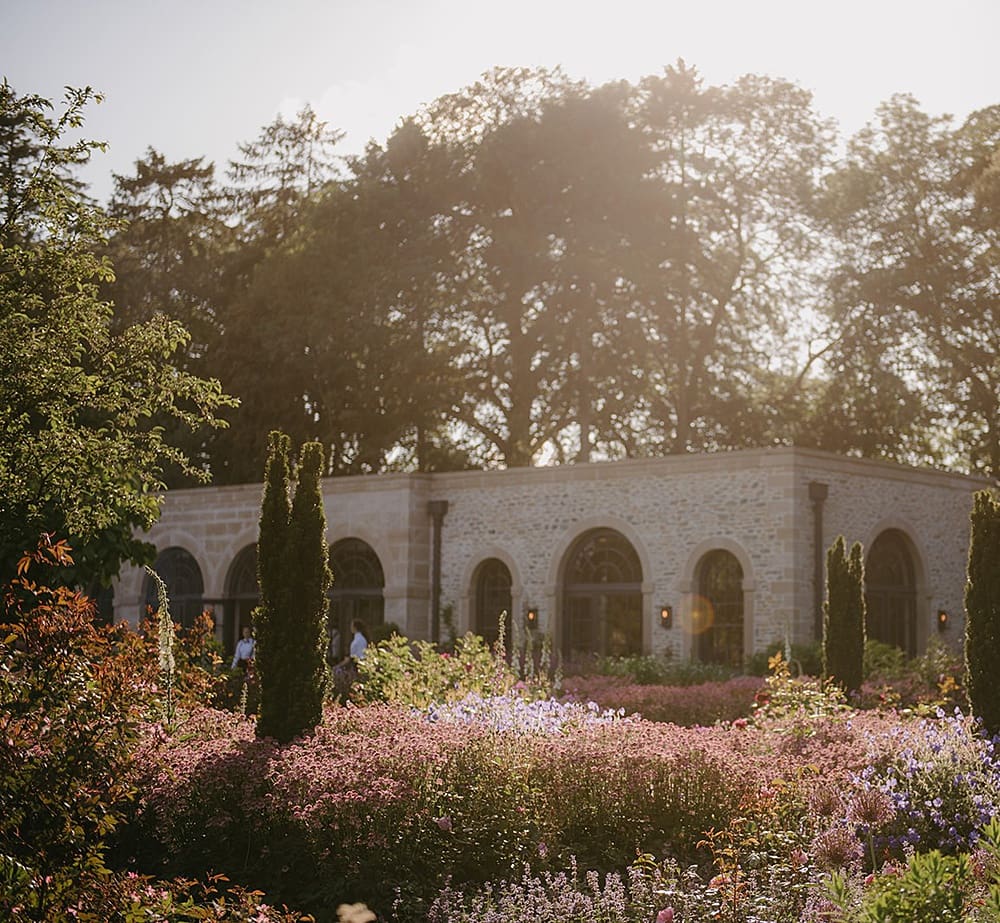
We would never tell you where you should or shouldn’t get married – especially if your heart is set on somewhere deeply meaningful or truly spectacular. For some couples, location isn’t just one factor among many; it’s the (other) main event.
What matters is being honest about the ripple effect. Location influences almost everything else, from budget and logistics to how relaxed your guests will feel on the day. If you’re drawn to a far-flung castle, a clifftop in another country, or a place tied to your love story, it may mean adjusting expectations elsewhere – perhaps a smaller guest list, a multi-day celebration, or even an intimate elopement or micro wedding so you can prioritise the setting without compromise.
If you are planning a larger gathering, practicalities come into sharper focus: travel time, transport links, nearby accommodation, and how easy it will be for the people you most want there to attend. A breathtaking destination can quickly become stressful if half your guests struggle to get there, or if they decline because the journey is too complicated or too costly.
Ultimately, the goal isn’t to choose between “beautiful” and “workable,” but to find the right balance for you. For some, that’s a convenient venue close to home filled with everyone they love. For others, it’s standing in an extraordinary setting with just a handful of people present. Both are 100% valid; the key is to choose intentionally rather than default to what seems easiest or most expected.

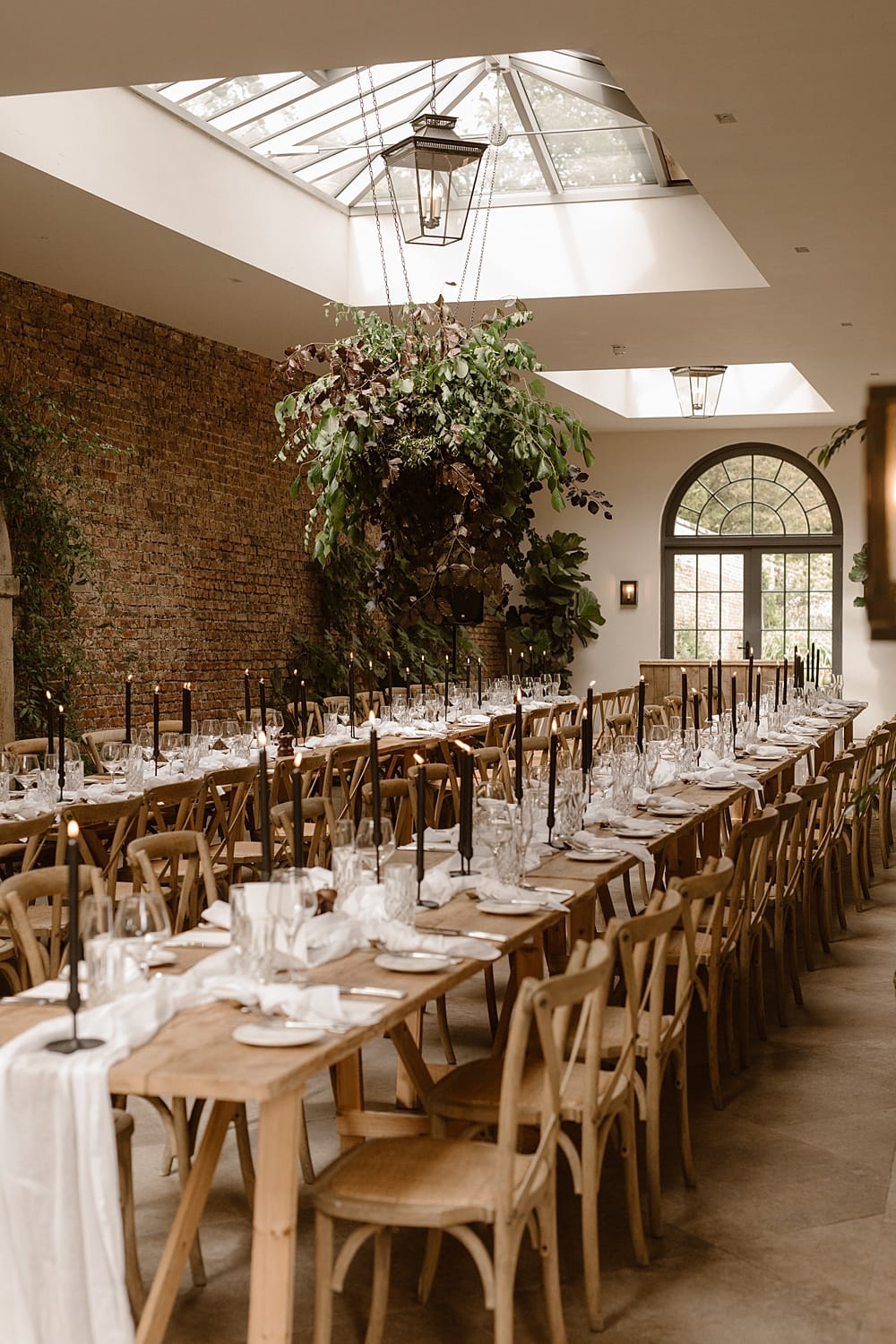
Booking a venue that comfortably accommodates your guest list may seem obvious, yet it’s one of the most common pinch points we see. Too small, and the day can feel crowded and chaotic (long queues for the bar are rarely anyone’s highlight). Too large, and the atmosphere can dissipate as guests scatter across multiple spaces.
And the layout matters just as much as the numbers: how naturally does the day move from ceremony to drinks to dinner to dancing? Are there inviting places to gather in between? At this point, it’s also worth asking about contingency plans. Where does everyone go if it rains? If it’s unexpectedly hot? During room turnarounds? A venue that handles these transitions smoothly often makes the entire experience feel effortless, even if things don’t go exactly to plan.
Ask yourself: is it more important to invite everyone you possibly can, or to create a sense of closeness and shared experience? The answer to that question will quickly point you towards the setting that’s right for you.
You’re spending one of the most meaningful days of your life in and around this setting, so it’s perfectly reasonable to want to actually like it! Therefore, if you find yourself mentally rearranging furniture, covering up artwork, or wishing the patterned carpet would just disappear, it might be time to revisit our Venue Finder. Some venues arrive beautifully finished and require very little additional work, whereas others are intentionally blank canvases that reward imagination (and a larger décor budget).
Neither approach is better or worse than the other; it depends entirely on what energises you. Some couples love the creative challenge; others prefer to add a few thoughtful details and then enjoy themselves. Now is the time to be honest about which camp you fall into.

Budget conversations are rarely glamorous, but they are incredibly helpful.
Weddings involve a lot of very real financial decisions, so understanding what you’re comfortable spending (and where) will ultimately prevent a lot of stress later down the line. We’re not saying you should chase the most extravagant version of everything, nor are we saying you should cut corners until the day no longer reflects what you initially wanted. It’s just about allocating resources in a way that feels meaningful and comfortable to you.
One couple might happily invest in extraordinary food. Another might prioritise photography, music, or flowers. Value isn’t universal; it’s personal, and the key is making choices deliberately rather than reactively.
Venues vary enormously in the level of freedom they offer. Some provide in-house catering and carefully curated supplier lists. Others allow you to bring in whoever you like, whenever you like. But many sit somewhere in between.
An all-inclusive model can feel reassuring and streamlined, whereas greater flexibility can be creatively liberating but also more hands-on. Consider how much coordination you realistically want to manage alongside everything else.
It’s also wise to ask about restrictions, including noise limits, décor rules, fireworks, outdoor entertainment, and so on. Knowing the boundaries up front helps avoid falling in love with an idea that isn’t feasible in that setting.


Ultimately, there is no single blueprint for a “perfect” wedding. But having a clear sense of what matters most – and what you’re happy to bend and flex on – turns an initially overwhelming list of decisions into something far more manageable. Think of it less as limiting your options and more as allowing yourself to focus on what will actually make the day feel like yours.